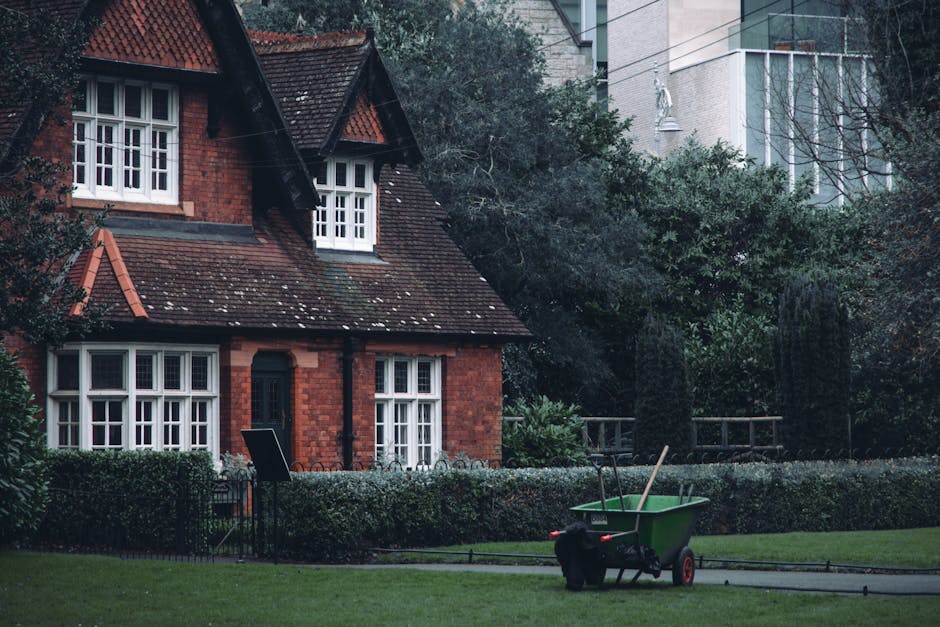
Woolwich Common garden rubbish removal for small yards
If you have a compact outdoor space, you already know the awkward bit: garden waste seems to multiply just when you have the least room to deal with it. A few bags of cuttings, an old planter, a broken trellis, maybe a muddy patch of turf or a small stack of branches - and suddenly the yard feels half its size. This guide to Woolwich Common garden rubbish removal for small yards is written for exactly that situation. It explains how small-space clearance works, what to expect, what to avoid, and how to make the process tidy, efficient, and less stressful.
Whether you are clearing after a weekend of pruning, getting ready for a bit of landscaping, or simply trying to reclaim a cramped patio, the aim is the same: remove waste without turning a small job into a big headache. And honestly, in a small yard, that matters more than people think.
Table of Contents
- Why Woolwich Common garden rubbish removal for small yards Matters
- How Woolwich Common garden rubbish removal for small yards Works
- Key Benefits and Practical Advantages
- Who This Is For and When It Makes Sense
- Step-by-Step Guidance
- Expert Tips for Better Results
- Common Mistakes to Avoid
- Tools, Resources and Recommendations
- Law, Compliance, Standards, or Best Practice
- Options, Methods, or Comparison Table
- Case Study or Real-World Example
- Practical Checklist
- Conclusion
- Frequently Asked Questions
Why Woolwich Common garden rubbish removal for small yards Matters
Small yards need a different approach from big gardens. There is less room to sort materials, fewer places to stack waste, and usually tighter access through side passages, shared paths, or narrow gates. That means garden rubbish removal is not just about taking things away; it is about doing it neatly and in a way that respects the space you actually have.
In a compact Woolwich Common garden, waste can cause problems quickly. Wet clippings start to smell, piles of soil make surfaces slippery, and broken fencing or dead shrubs can make an already tight area feel cluttered and difficult to use. If you leave it too long, you often end up with a bigger, more frustrating job. You know how it goes - one bag becomes three, and then somehow it is the whole corner of the yard.
There is also the practical side. Small yards often sit close to neighbours, so noise, mess, and access need more care. A well-planned removal keeps disruption down and avoids the sort of accidental damage that can happen when waste is dragged through a narrow space without thought.
For many people, the real value is simple: getting the garden back. A small outdoor area should feel usable, even if it is only a modest courtyard, a compact lawn, or a tiny paved spot. Clear it well and suddenly you have somewhere to sit, plant, or just breathe for five minutes with a cup of tea.
How Woolwich Common garden rubbish removal for small yards Works
The process is usually straightforward, but the details matter. With small yards, the right clearance method depends on what is being removed, how much there is, and how easy it is to reach the waste. A proper service will usually start by looking at access, waste type, and the volume of material rather than just guessing from a photo.
Typical garden rubbish may include green waste, branches, hedge trimmings, bagged leaves, soil, turf, old pots, damaged sleepers, fencing offcuts, and general outdoor clutter. Some items can be recycled, while others need separate handling. That sort of sorting is important, because mixed loads are harder to manage and can be more expensive or less efficient to move.
In a small yard, teams often work in a more measured way. Waste is bundled, lifted carefully, and removed in stages so the space does not become blocked. That sounds obvious, but it is the kind of thing that makes a job feel smooth instead of chaotic. There is nothing glamorous about hauling soggy hedge cuttings through a narrow side return, but a tidy method saves time and avoids mess.
Where access is tricky, the crew may use sacks, tubs, barrows, or hand-loading rather than larger containers. If a skip is not practical because the yard is too tight or the waste volume is modest, a load-and-go approach is often the better fit. If the waste includes a mix of garden debris and household clutter, it may be sensible to pair the job with waste removal or, for bigger clear-outs, consider home clearance as part of the plan.
Key Benefits and Practical Advantages
Small-yard clearance has a few benefits that are easy to underestimate until you see the space empty again. The first is obvious: you get usable room back. A compact yard can feel much larger once bags, broken items, and plant waste are gone.
Another benefit is safety. Loose sticks, slippery leaves, rotting wood, and heavy plant pots are all trip hazards. In a tight space, that matters even more because you have less margin to step around things. Clearing waste promptly reduces the chance of an awkward slip or a twisted ankle while you are trying to do ordinary garden jobs.
It can also improve the appearance of the whole property. Even a very small yard can look cared for once the clutter is gone. That is useful if you are preparing a home for sale, renting it out, or simply trying to make the place feel calmer. Small spaces show mess more quickly, but they also improve quickly. A little effort goes a long way.
There is a money-saving angle too. If you waste time making multiple trips to a tip or overfill domestic bins, a modest clearance can become more expensive than it first looked. A well-organised collection often saves effort, petrol, parking hassle, and the sheer annoyance of doing it all yourself. To be fair, that last part counts for a lot.
Finally, professional removal tends to be kinder to the yard itself. Good handlers know how to move material without gouging paving, scuffing paintwork, or flattening plants you wanted to keep. In a small garden, that care is not a luxury. It is the difference between a neat result and a patchy one.
Who This Is For and When It Makes Sense
This kind of service is ideal for homeowners, tenants, landlords, and anyone managing a compact outside area in Woolwich Common. It is especially useful if your yard has limited access, if you live in a terrace or flat with a small rear space, or if you have accumulated waste after pruning, planting, or a bit of DIY.
It also makes sense if you have a mixed clear-up rather than a single pile of green waste. For example, you might have some hedge trimmings, a rusty garden table, and a broken fence panel. Separating all that by hand can be fiddly, and in a tiny yard, the mess tends to spread while you sort it. That is where a combined approach can be useful. For outdoor waste after minor structural work, some households also look at builders waste clearance, especially where there are broken slabs, timber, or debris from a small garden project.
It is also a sensible option if you are short on time. Many people start with the best intentions on a Saturday morning, then realise by lunchtime that the job is muddy, heavier than expected, and a bit more relentless than advertised. We have all been there. It starts with a wheelbarrow and ends with a sore back and a half-finished tea.
If your yard is so small that storing waste for several days would make it unusable, scheduled removal becomes even more attractive. You clear the space once, quickly, and move on.
Step-by-Step Guidance
If you want the process to go smoothly, it helps to break it into simple stages. Nothing fancy. Just a sensible order.
- Walk the yard first. Look at access points, gates, narrow paths, fragile surfaces, and anything you want to keep.
- Separate waste by type. Put green waste, wood, soil, plastic pots, and general junk into rough groups if you can.
- Clear a working route. Make sure the path from the yard to the exit is free of plant pots, tools, or bikes.
- Bag or bundle smaller items. Leaves, cuttings, and light debris are easier to move when contained.
- Keep heavier items near the exit only if safe. Do not block the whole yard trying to stage everything at once.
- Check for hidden extras. People often forget old compost tubs, broken stakes, or the small pile of stones at the back.
- Choose the removal method. If space is tight and the load is mixed, a manual collection is usually more practical than trying to force a larger solution.
- Ask for recycling details. It is sensible to know what will be reused, recycled, or disposed of separately.
A neat small-yard job often comes down to one thing: not overcomplicating it. Keep the waste manageable, keep the access clear, and keep the process moving.
Expert Tips for Better Results
Here is the first tip, and it is a good one: do not wait for a full-blown garden overhaul before booking removal. In a small yard, minor clearances done regularly are usually easier than one huge seasonal clean-up. The space stays usable, and the waste never gets out of hand.
Second, pay attention to moisture. Wet soil, sodden bags, and rain-soaked clippings are heavier than they look. If the weather has turned damp - which, let's face it, is often in London - the job can be more demanding than it first appears. A good team will take that into account when lifting and loading.
Third, protect the surfaces. Small yards often have paving slabs, composite decking, or painted steps that show marks quickly. Lay down temporary protection if needed, and avoid dragging anything with rough edges. It sounds basic, but basic is usually what works.
Fourth, think about future use, not just current mess. If you want to create a little seating area, a potting corner, or a narrow path to the back wall, clear the yard with that layout in mind. The best clear-outs leave you with a better space, not just an empty one.
And one more thing: keep a small box or bag for reusable items. Pot saucers, plant labels, decent hand tools, and reusable ties are easy to accidentally throw out when everything is piled together. Little bits matter in a small garden because there is not much spare room for extras.
Common Mistakes to Avoid
The biggest mistake is underestimating the volume. Garden waste bulks up fast, especially with branches, hedge clippings, and soft green material. A couple of bags can become a surprisingly awkward stack if you are not careful.
Another common issue is mixing everything together without a plan. If soil, metal, timber, and general rubbish all go into one heap, sorting becomes slower and less efficient. That is not ideal in any garden, but it is especially irritating when the yard is tiny and every pile blocks your way.
People also forget access. A side gate that looks fine when empty can feel impossibly narrow once you are trying to manoeuvre bulky branches, broken fencing, or a bin bag that keeps catching on the latch. Measure the route, or at least eyeball it properly. That saves a lot of grumbling later.
Do not leave sharp or heavy items hidden under soft waste. Old clippers, broken terracotta, rusty wire, and splintered wood can injure whoever handles the load. It is a small space, but the risks are real enough.
Finally, avoid overfilling containers. Overstuffed bags split, overflow, and make lifting awkward. Neat loads are safer, quicker, and frankly more pleasant to deal with.
Tools, Resources and Recommendations
You do not need a garage full of equipment to manage a small-yard clear-out well. A few practical items go a long way.
- Heavy-duty garden bags: useful for cuttings, leaves, and light debris.
- Gloves with grip: better for damp waste, thorny branches, and rough timber.
- Hand trowel or small fork: helpful for lifting loose soil and root balls.
- Secateurs or loppers: useful if you are trimming before removal.
- Barrow or sturdy tub: handy when a wheelbarrow is too wide for the route.
- Dust sheet or tarp: keeps waste contained while you sort it.
If the yard is too tight for your own transport, it may be simpler to work with a service that already handles compact-access collections. For garden-specific jobs, garden clearance is the most direct match. If the mess has spread beyond the outside space and into storage areas, garage clearance can sometimes be paired with the job so the whole property feels more manageable.
For anyone comparing how a company handles different waste types, the broader recycling and sustainability approach is worth checking. A careful, selective process usually indicates better handling overall, even for a small domestic load.
Law, Compliance, Standards, or Best Practice
With garden waste removal, the main thing is to use a responsible, legal disposal route and avoid fly-tipping or improper dumping. In the UK, householders still have a duty to make sure their waste is handled correctly, even when someone else collects it. That means choosing a provider you trust, keeping records if needed, and not handing waste to anyone who seems vague about what happens next.
Best practice also includes separating waste where practical. Green waste, timber, soil, and non-organic rubbish are often best handled differently. That is not just tidy; it also supports recycling and cleaner disposal routes. In a small yard, the quantities may be modest, but good habits still matter.
Insurance and safety are worth a quick look too. When waste is moved through tight access points, there is always some risk of surface scuffs, accidental knocks, or lifting injuries. A professional service should work carefully, communicate clearly, and take sensible precautions. If you want to understand a company's approach, pages like health and safety policy and insurance and safety are useful trust signals.
For payment expectations and the sort of booking process you are entering into, it is wise to review payment and security and terms and conditions before confirming anything. Clear terms are boring in the best possible way.
Options, Methods, or Comparison Table
There is more than one way to clear a small yard. The right choice depends on waste type, access, time, and how much effort you want to spend. Here is a simple comparison.
| Method | Best for | Strengths | Limitations |
|---|---|---|---|
| DIY bin-by-bin clearance | Very small amounts of light waste | Low upfront cost, simple if you already have time | Slow, messy, awkward with branches or soil |
| Skip hire | Larger projects with enough space for placement | Good for bulk waste, one container holds a lot | Often impractical in tiny yards or narrow streets |
| Man-and-van collection | Compact yards, mixed loads, awkward access | Flexible, quick, less disruption, good for small spaces | Not always the best choice for huge volumes |
| Combined clearance service | Garden waste plus other household items | Efficient when waste comes from several areas | May be more than you need for a tiny tidy-up |
For a small Woolwich Common yard, man-and-van style collection is often the most practical because it fits the space rather than fighting it. That is the key idea. Fit the method to the garden, not the other way round.
Case Study or Real-World Example
Imagine a small back yard behind a terraced home: about the size of a modest patio, with a narrow side return and a gate that opens only partway before meeting a bin store. The waste is a mix of hedge trimmings, an old plastic planter, a cracked chair, and a few bags of soil from a weekend replanting job.
A sensible clear-out would start by removing the loose plant waste first, because that reveals the heavier items underneath and frees up the walkway. Then the broken chair and planter come out, followed by the soil bags in smaller, safer loads. The gate and paving need protecting as items are carried through. Nothing dramatic. Just care, sequencing, and a refusal to rush.
At the end, the yard does not need to be perfect. It just needs to be breathable again. You can picture the difference immediately: less clutter, fewer trip hazards, and enough space to put a couple of chairs or a small herb trough. That tiny shift can make the whole space feel newer. A lot newer, actually.
Practical Checklist
Use this before booking or starting the job:
- Check how much waste you have, not just what it looks like at a glance.
- Separate green waste from general rubbish if possible.
- Measure or inspect access through gates, side paths, and narrow points.
- Remove fragile pots, tools, and anything you want to keep.
- Make sure the route out of the yard is clear and safe.
- Decide whether the job is garden-only or part of a wider clearance.
- Ask how recyclable material will be handled.
- Review pricing, payment, and service terms before confirming.
- Look for safety and insurance information if the access is tight.
- Set a realistic goal for the space once it is cleared.
Expert summary: For small yards, the best results usually come from careful sorting, compact-access handling, and a simple removal plan that does not overcomplicate the job. Keep the load manageable and the route clear, and the whole process becomes far easier than it first appears.
Conclusion
Woolwich Common garden rubbish removal for small yards is really about making a limited space work better. When the yard is small, every bag, branch, and broken item has a bigger visual and practical impact. Clear it properly and you gain usable space, better safety, and a garden that feels calmer straight away.
The main thing is not to treat a compact yard like a big one. Use the right removal method, keep access in mind, and sort the waste sensibly. A tidy result is perfectly possible, even in the tightest little patch. In fact, small yards often improve the most dramatically because the difference is so immediate.
If you are ready to get on top of the mess, a focused approach now will save time later and make the garden easier to enjoy through the season. That quiet, cleared-up feeling is worth it.
Get a free quote today and see how much you can save.
Frequently Asked Questions
What counts as garden rubbish in a small yard?
Garden rubbish usually includes hedge cuttings, leaves, branches, weeds, turf, soil, broken pots, old planters, damaged fencing, and other outdoor clutter. In a small yard, even a modest amount can feel bulky, so it helps to sort waste early.
Is small-yard garden rubbish removal more expensive than regular clearance?
Not necessarily. Smaller jobs can sometimes be quicker and simpler, but access, waste type, and how mixed the load is will affect the final price. The cleanest way to compare is to ask for a clear quote based on the actual job rather than guessing.
Can wet garden waste be removed?
Yes, but it is heavier and more awkward to handle. Wet waste often needs stronger bags or more careful loading. If the garden has had a soaking, it is worth mentioning that upfront so the collection can be planned properly.
What if my yard has very narrow access?
That is common in Woolwich Common terraces and compact outdoor spaces. Narrow access usually means a manual, hand-loaded clearance is more suitable than a skip. The key is to measure the route and make sure the team knows about gates, steps, or tight corners.
Can garden waste and household junk be removed together?
Yes, in many cases. Mixed loads are common, especially in small yards where old furniture, bags of cuttings, and broken outdoor items all end up together. It can be efficient to combine them, although separating recyclable items where possible is still a good idea.
Do I need to bag everything before collection?
No, not always. Bagging helps with light waste like leaves and small cuttings, but branches, fence panels, and heavier items may be better bundled or left for manual loading. The best approach depends on the waste and the access route.
How quickly can a small yard be cleared?
Many small-yard jobs can be completed fairly quickly once access is clear and the waste is sorted. The exact timing depends on the load, the layout, and whether the waste is easy to lift. A simple tidy-up may take very little time; a messy mixed load takes longer.
What should I do with soil or turf?
Soil and turf are heavier than they look and can dominate a small clearance if you are not careful. Keep them separate if possible, and mention them when arranging removal. That helps with lifting, loading, and pricing.
Is it better to hire a skip for a tiny yard?
Usually not. Skips need space, access, and time, which may not suit a small garden. For compact yards, a flexible collection is often easier because it works around the space instead of taking it over.
How do I know if a company will handle the waste responsibly?
Look for clear information about recycling, safety, and how waste is managed. A responsible company should be able to explain its process plainly. If the details sound vague or rushed, that is often a bad sign.
Can this service help before or after garden work?
Yes. It is useful before landscaping, after pruning, following storm damage, or at the end of a small DIY garden project. Clearing waste before you start can also make the work feel easier because you are not stepping around old clutter the whole time.
What is the best first step if my small yard is overloaded?
Start by identifying the waste type and the access route. Once you know what needs to go and how it can leave the yard, the rest gets much simpler. If you want to avoid the half-finished, slightly muddy weekend experience, that first bit of planning really does matter.
For more details about who we are and how we work, you can also review about us or get in touch through the site when you are ready.