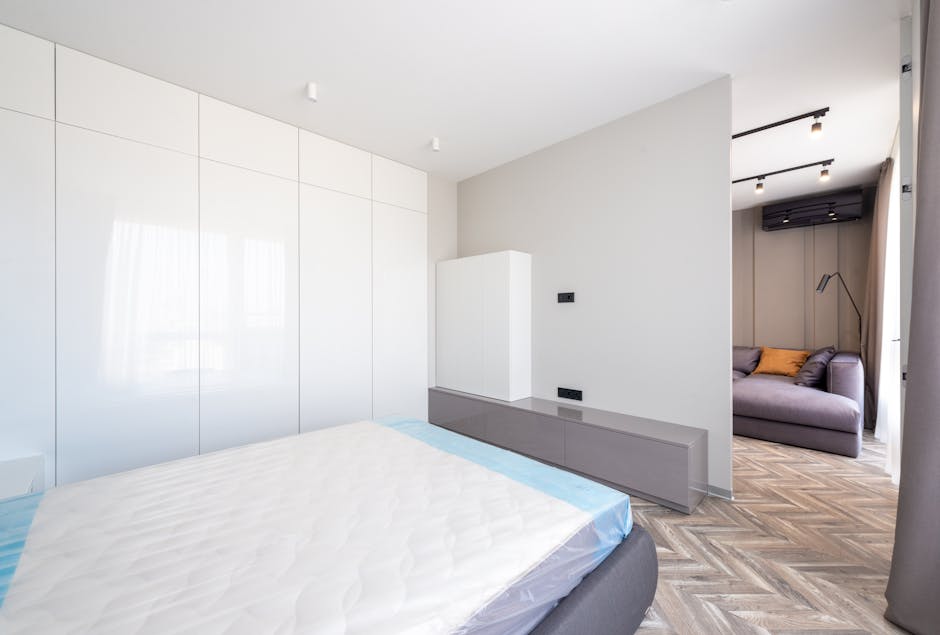
What to Do with Mattresses and Sofas in Woolwich: A Practical Local Guide
If you are staring at an old mattress in the hallway or a sofa that has finally given up the ghost, you are not alone. These are some of the hardest bulky items to shift, especially in a busy place like Woolwich where space is tight, stairwells are narrow, and nobody wants a bulky pile sitting around for days. This guide on What to Do with Mattresses and Sofas in Woolwich walks you through the realistic options, the risks to avoid, and the smartest way to get the job done without turning it into a weekend headache.
Whether you are clearing a flat, replacing furniture after a move, or dealing with damp, damage, or a sudden landlord deadline, the right approach saves time, stress, and often money. To be fair, the best option is not always the most obvious one. Sometimes reuse makes sense. Sometimes recycling is the better call. And sometimes a professional collection is simply the least painful route.
Below, you will find a clear explanation of how bulky furniture disposal works in Woolwich, what your options are, and how to choose the most practical one for your situation.
Why What to Do with Mattresses and Sofas in Woolwich Matters
Mattresses and sofas are not like ordinary rubbish. They are bulky, awkward, and often difficult to move safely. They can also contain mixed materials such as foam, springs, timber, fabric, webbing, and metal, which means disposal is rarely as simple as dropping them in a bin. In a local area like Woolwich, where many people live in flats, terraces, or shared buildings, the practical challenge is often just getting the item out of the property without damaging walls, staircases, or communal areas.
There is also a broader environmental reason this matters. Furniture that is thrown away carelessly can end up in landfill when parts of it could have been reused, repaired, or recovered. That is why many households and businesses look for more responsible routes, including recycling and reuse where suitable. If sustainability matters to you, you may want to read the company's recycling and sustainability guidance for a better sense of how material recovery is approached.
Then there is the simple nuisance factor. An unwanted mattress leaning in the spare room is one thing. A damp sofa blocking access in a narrow flat is another. It affects how you live, how fast you can clear a room, and sometimes even whether you can hand a property back on time. Let's face it, nobody wants that awkward final-day scramble with a landlord or letting agent waiting downstairs.
One more thing people sometimes forget: mattresses and sofas can be heavy and awkward enough to cause injury if handled badly. Broken frames, protruding springs, and hidden staples are not exactly friendly. So choosing the right removal approach is as much about safety as convenience.
How What to Do with Mattresses and Sofas in Woolwich Works
In practical terms, dealing with an old mattress or sofa usually follows one of a few paths: reuse, donation, local authority disposal, recycling, or paid collection. The best choice depends on condition, urgency, access, and whether you want the item handled with minimal effort on your side.
If the furniture is clean and in decent condition, reuse may be possible. Some items can be passed on, sold, or donated. If it is damaged, stained, sagging, or unsafe, reuse becomes less realistic and disposal is often the better route. Sofas with rips, broken frames, or worn upholstery usually need a more formal clearance approach. Mattresses are similar; once they are heavily worn or unhygienic, they are rarely suitable for donation.
In Woolwich, many residents choose a collection service because it avoids the problem of lifting and transport. A reputable team will normally assess the items, confirm what can be taken, and explain any access issues before arrival. If you are comparing providers, the pricing and quotes page is a useful place to understand how estimates are usually handled.
Some people try to break down furniture themselves. That can work in theory, but in practice it is not always worth the time. A sofa with glued joints and stubborn fixings can eat up an evening, and a mattress does not really become easier just because you have wrestled it into smaller pieces. Strange, but true.
The key is to match the method to the item. Good condition? Consider reuse. Poor condition but manageable access? Recycling or collection. Tight stairs, parking restrictions, or multiple items? A professional clearance service usually makes more sense.
Key Benefits and Practical Advantages
There are some obvious benefits to getting mattresses and sofas removed properly, but the less obvious ones matter too.
- Less stress: You avoid the heavy lifting, awkward manoeuvres, and back-and-forth planning.
- Cleaner living space: Removing bulky items frees up rooms quickly, which matters if you are moving, redecorating, or preparing a property.
- Better safety: No dragging a sofa down stairs or trying to wedge a mattress into a car boot that clearly never wanted it there.
- More responsible disposal: A proper service is more likely to separate reusable or recyclable materials where possible.
- Time savings: One collection can often remove several items in a single visit, which is far more efficient than making multiple trips.
There is also a quieter benefit: peace of mind. When an item is gone properly, you are not left wondering whether it has been fly-tipped somewhere down the road. That matters, especially in a borough where people care about keeping streets tidy.
If you are balancing budget against convenience, it helps to remember that low-effort solutions are not always extravagant. Sometimes the difference between a DIY job and a straightforward collection is smaller than you think, especially once van hire, fuel, parking, and your own time are counted in. If cost is a concern, compare the likely outlay against a tailored quote rather than guessing. The quote information can help you see what is typically considered.
Who This Is For and When It Makes Sense
This kind of furniture removal is useful for a wide range of people in Woolwich:
- Tenants moving out and needing a flat cleared quickly
- Homeowners replacing worn or damaged furniture
- Landlords preparing a property between lets
- Letting agents managing end-of-tenancy clearances
- Families doing a home refresh or spring clear-out
- Businesses disposing of old waiting-room sofas or staff-room furniture
It also makes sense when the item is simply too awkward to handle safely. A mattress can be easy to underestimate. It looks soft and harmless until you try to angle it through a narrow landing. A sofa can be even trickier, especially corner units or heavy three-seaters with fixed arms.
A realistic scenario? A tenant in a Woolwich apartment needs to hand back the keys by Friday afternoon, but the old sofa will not fit in the lift and the mattress has nowhere to go. In that situation, waiting for a casual favour from a mate with a van may sound like a plan, then Wednesday arrives and nothing has moved. You know how it goes. A scheduled collection is often the calmer option.
This is also relevant if you are concerned about safety and public access. Some buildings require careful coordination for moving large items through hallways or shared entrances. If that sounds familiar, it may be worth checking the provider's insurance and safety information before booking.
Step-by-Step Guidance
If you want the simplest route, use this practical process.
- Check the item's condition. Decide whether the mattress or sofa could be reused, donated, or must be disposed of. Look for stains, odours, broken frames, sagging areas, tears, or infestations. If the item is clearly beyond use, disposal is the sensible path.
- Measure access points. Measure doorways, stairwells, lifts, and any tight turns. A sofa that looks manageable in the room may be impossible to remove without partial dismantling.
- Decide whether you need help. If the item is large, heavy, dirty, or located in a top-floor flat, do not force the issue. This is where a specialist clearance service can save a lot of trouble.
- Ask for a clear quote. A proper estimate should account for item type, access, quantity, and any extra lifting or loading work. If you are comparing providers, the pricing page is a sensible starting point.
- Prepare the item for collection. Remove loose cushions, separate detachable legs if needed, and clear a path to the exit.
- Confirm the disposal route. Ask whether the item will be reused, recycled, or disposed of through a licensed waste route where appropriate.
- Book a time that fits your schedule. If you are moving out or expecting cleaners, leave a bit of buffer time. Things always take longer than they should. Always.
A small but useful tip: if you have both a mattress and a sofa to remove, mention them together from the start. Grouping items can make planning easier and often means a more efficient collection overall.
Expert Tips for Better Results
Here are some practical tips that usually make the whole process smoother.
Tip 1: Separate soft furnishings from loose household waste. It sounds obvious, but mixing items together creates confusion and can slow the job down.
Tip 2: Photograph awkward items in advance. A quick photo of the sofa, mattress, stairwell, or access route helps when requesting a quote. It is a simple step, but it can prevent awkward surprises on the day.
Tip 3: Think about timing. Morning collections often work best if you need the space cleared for decorators, cleaners, or a final inspection. If the weather is wet, that can matter too, because dragging fabric items across soggy paths is unpleasant and not exactly ideal.
Tip 4: Ask what happens next. A responsible provider should be able to explain the basic process clearly, including how items are sorted or handled. If that interests you, the company's sustainability page is worth a look.
Tip 5: Keep access clear. Move shoes, plant pots, laundry baskets, and anything else that could cause an awkward trip. It sounds minor, but small obstructions are what turn a five-minute lift into a slow, sweaty puzzle.
Tip 6: Be honest about condition. If a mattress is damp, heavily stained, or damaged, say so. That way the collection can be planned properly and nobody turns up expecting a neat easy carry.
And one slightly old-school tip from experience: if you can avoid leaving bulky furniture until the very last minute, do it. The last-minute rush never feels clever in hindsight.
Common Mistakes to Avoid
There are a few mistakes people keep making with old mattresses and sofas.
- Leaving disposal too late: This is the most common one. It creates stress and limits your options.
- Assuming every item can be donated: Good intentions aside, damaged or unhygienic furniture is usually not suitable for reuse.
- Trying to lift heavy items without help: This is where backs, doorframes, and tempers all come into play.
- Not checking access: A sofa that fits on paper may not make the turn on the landing.
- Ignoring costs beyond the obvious: Van hire, parking, fuel, loading time, and disposal all add up.
- Using the wrong route for the item: Mattresses and sofas need more thought than a standard bin collection or casual roadside drop-off. That is not the answer, obviously.
Another mistake is assuming the cheapest option is always best. Sometimes it is. Sometimes it is not. If a cheaper quote skips insurance, safety procedures, or responsible disposal, it may end up being the more expensive choice in practice. If you want reassurance on safe handling standards, the health and safety policy is a sensible page to review.
Tools, Resources and Recommendations
You do not need a van full of specialist kit to get started, but a few practical tools can help if you are managing the job yourself.
- Tape measure: Useful for checking doorways and hallways.
- Strong gloves: Helpful for grip and protection from staples, rough edges, and dust.
- Basic screwdriver or drill: Handy if you need to remove legs or dismantle a frame.
- Dust sheets or old blankets: Good for protecting flooring and walls during removal.
- Phone camera: Excellent for taking photos for quotes and access checks.
- Clear bags: Useful for loose components, bolts, and cushions.
For most people, though, the real recommendation is simple: use a service that is clear about pricing, handling, and safety. A little transparency goes a long way. If you want to understand service expectations, the pages on payment and security and insurance and safety are useful trust signals.
If you are checking the company background or overall service scope, the main website is the natural place to start. And if you have any access concerns, there is also an accessibility statement that may be helpful for understanding how site and service information is presented.
Law, Compliance, Standards, or Best Practice
When disposing of mattresses and sofas in the UK, the main practical principle is straightforward: waste should be handled responsibly, and collections should be carried out by people who follow proper disposal practices. Exact legal obligations can vary depending on who owns the item, whether it comes from a home or business, and how the item is being removed.
If you are a landlord, agent, or business owner, it is wise to be extra careful. Furniture disposal from commercial premises can involve more formal expectations around duty of care, records, and waste handling. Homeowners and tenants should also avoid leaving items for collection in ways that could create obstruction, nuisance, or fly-tipping risk. That part is common sense, really, but it still gets ignored.
Best practice usually includes:
- Using a reputable collection service
- Checking that items are handled safely during removal
- Ensuring disposal routes are responsible and traceable where relevant
- Avoiding abandoned items on pavements or by bins
- Being transparent about the condition and volume of items
If environmental responsibility matters to you, look for providers that can explain their approach to recovery and recycling in plain English. A clear recycling and sustainability page is often a good sign that the business takes this seriously rather than just saying the right words.
For complaints handling, it is also reassuring when a provider has a clear process in place. Mistakes can happen in any service business; what matters is whether there is a sensible way to put things right. That is why a visible complaints procedure matters more than people think.
Options, Methods, or Comparison Table
Choosing the right disposal method depends on your item and your timeline. Here is a simple comparison.
| Option | Best for | Pros | Limitations |
|---|---|---|---|
| Reuse or donation | Clean, usable furniture | Lower waste, practical for others, often low cost | Not suitable for damaged, stained, or unsafe items |
| Self-removal | Small jobs with easy access | Potentially cheaper if you already have transport | Heavy lifting, van costs, parking, and time pressure |
| Local collection or municipal route | Residents who can arrange it in advance | Can be convenient and structured | May have booking rules, waiting times, or item restrictions |
| Professional bulky-item collection | Fast, awkward, or multiple-item clearances | Minimal hassle, safer handling, efficient for access issues | Usually costs more than doing it yourself |
There is no universal best answer. For a single light item, self-removal may be enough. For a third-floor flat with a heavy sofa and a sagging mattress, a professional collection is usually the calmer option. Simple as that.
Case Study or Real-World Example
Picture a typical Woolwich flat clear-out. A couple is moving to a smaller place and has one double mattress, one fabric sofa, and a few other bits that are not worth taking. The lift is narrow, the stairwell is tight, and the sofa looks bigger on the landing than it did in the living room. That happens a lot, by the way. Furniture always seems to swell in the doorway.
At first they consider hiring a van and doing it themselves. Then they factor in parking, lifting, time, and the risk of scratching the walls. They also realise the move-out is happening on a weekday, which means there is no spare evening to wrestle with a sofa frame. So they choose a scheduled collection instead.
The result is boring in the best way. The items are removed, the room is cleared, and the property is ready for handover without any last-minute panic. No drama, no needless damage, no "we'll do it later" conversation that goes nowhere. For that kind of situation, the decision is less about luxury and more about preserving your sanity.
That sort of outcome is why so many people in Woolwich prefer a straightforward, professional approach. It keeps the move moving. And really, that is the whole point.
Practical Checklist
Use this checklist before you book or move anything.
- Have I checked whether the item is reusable, or is disposal the sensible option?
- Have I measured doorways, stairs, and any tight corners?
- Do I know how many items need removing?
- Have I taken photos of the mattress or sofa if I need a quote?
- Is the access route clear and safe?
- Have I removed cushions, throws, and loose items?
- Do I know whether I want recycling, reuse, or simple collection?
- Have I checked pricing, payment, and security details?
- Do I understand the provider's safety approach?
- Have I left enough time before move-out, cleaning, or inspection?
If you can tick most of those off, you are in a good place. Not perfect, maybe. But good enough to avoid the usual last-minute chaos.
Conclusion
Figuring out What to Do with Mattresses and Sofas in Woolwich does not have to be complicated. Start by checking whether the item can be reused, then decide whether a local collection, recycling route, or professional removal service makes the most sense. The right choice depends on condition, access, timing, and how much lifting you are prepared to do yourself.
The main thing is not to leave bulky furniture as an afterthought. A mattress or sofa that sits in the way for weeks becomes more than an inconvenience; it gets in the way of everyday life. A clear plan, a few measurements, and the right support can make the whole process much easier.
If you want a simple next step, compare your options, check the service details, and ask for a clear estimate before the item becomes a bigger problem than it needs to be.
Get a free quote today and see how much you can save.
And if you do manage to clear that stubborn old sofa from the flat, enjoy the empty space for a minute. It always feels better than it looks on paper.
Frequently Asked Questions
Can I put a mattress or sofa out with normal household rubbish in Woolwich?
No, not usually. Mattresses and sofas are bulky items and need a more suitable disposal route. Leaving them with general rubbish can create collection problems and may not be allowed.
What is the easiest way to get rid of a sofa in Woolwich?
For most people, a booked bulky-item collection or clearance service is the easiest route. It avoids lifting, transport, and the hassle of trying to squeeze furniture into a car or van.
Can old mattresses be recycled?
In some cases, yes. Mattresses can sometimes be broken down into components such as foam, fabric, springs, and metal for recovery. The exact process depends on the condition and the service used.
What should I do if my sofa is too big to fit through the door?
First, check whether parts can be removed safely, such as legs or detachable sections. If that does not solve it, a professional team may be able to help with removal planning. Forcing it is a bad idea, honestly.
Is it better to donate or dispose of an old mattress?
If the mattress is clean, dry, and in good condition, donation or reuse may be possible. If it is stained, sagging, or damaged, disposal is usually the more appropriate route.
How much does sofa or mattress removal usually cost?
Costs vary depending on item size, quantity, access, and whether loading involves stairs or awkward entry points. It is best to request a tailored quote rather than rely on guesswork.
Do I need to dismantle my sofa before collection?
Not always. Some sofas can be removed as they are, but dismantling may help if access is tight. It depends on the item and the property layout.
What happens to the items after collection?
That depends on the service and the condition of the furniture. Some items may be reused, some may be recycled, and some may need to be disposed of through appropriate waste routes.
Can landlords arrange mattress and sofa clearance after a tenancy ends?
Yes, landlords and letting agents often arrange bulky-item clearance between tenancies. It is especially useful when a property needs to be turned around quickly.
Is it safe to move a mattress or sofa myself?
It can be, but only if the item is manageable and you have the right help and access. Heavy lifting, awkward angles, and stairwells are where injuries and damage tend to happen, so caution is wise.
How quickly can a collection usually be arranged?
That depends on availability and how complex the job is. If you have a deadline, such as a move-out or property handover, it is best to book as early as you can.
What should I check before booking a clearance service?
Look at pricing, safety, insurance, payment security, and how the company handles recycling or disposal. A clear service page and straightforward communication are good signs.