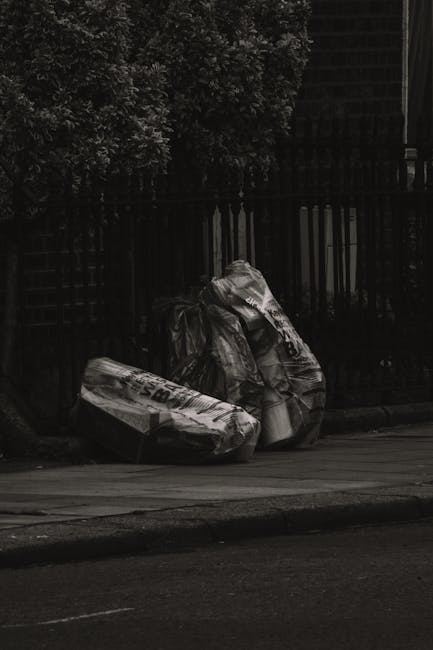
Greenwich Council Bulky Waste Rules for Woolwich Homeowners
If you live in Woolwich and you have a sofa that will not fit through the hallway, a mattress leaning against the spare-room wall, or a broken washing machine that has been quietly annoying you for weeks, the Greenwich Council bulky waste rules can feel like one more admin task you really did not need. Truth be told, most homeowners only look into it when the clutter starts taking over the room.
This guide explains how bulky waste collection usually works for Woolwich homeowners, what counts as bulky waste, what to check before you book, and when a private clearance service may be the easier route. It is written to help you make a sensible decision without fuss, and without falling into the common traps that cost time, money, or both.
To keep things simple, we will focus on the practical side: collection rules, access issues, item preparation, compliance, and the day-to-day realities of getting large unwanted items out of the house. No jargon. No fluff. Just the stuff that helps.
Table of Contents
- Why Greenwich Council Bulky Waste Rules for Woolwich Homeowners Matters
- How Greenwich Council Bulky Waste Rules for Woolwich Homeowners Works
- Key Benefits and Practical Advantages
- Who This Is For and When It Makes Sense
- Step-by-Step Guidance
- Expert Tips for Better Results
- Common Mistakes to Avoid
- Tools, Resources and Recommendations
- Law, Compliance, Standards, or Best Practice
- Options, Methods, or Comparison Table
- Case Study or Real-World Example
- Practical Checklist
- Conclusion
- Frequently Asked Questions
Why Greenwich Council Bulky Waste Rules for Woolwich Homeowners Matters
Bulky waste is not just "big rubbish". It usually means items too large, awkward, or heavy for normal household bins and regular collection routines. In practice, that might include furniture, white goods, large toys, broken garden items, or a pile of household clutter from a clear-out. The point of the rules is to make disposal safe, fair, and controlled.
For Woolwich homeowners, this matters for a few very real reasons. First, space is precious. A hallway blocked by an old wardrobe or a back garden stacked with broken furniture can quickly become a safety issue. Second, the wrong disposal method can lead to avoidable costs, missed collections, or even complaints from neighbours if items are left out too early. And third, you want to avoid anything that could be treated as fly-tipping or improper waste presentation. Nobody wants that sort of headache. Not on a Tuesday morning, anyway.
There is also a practical side that often gets overlooked. A well-planned bulky waste collection can save time, reduce lifting strain, and stop you making multiple trips to a tip with a car that is already too small for the job. If you have ever wrestled a wardrobe door through a narrow Woolwich terrace staircase, you will understand the appeal of doing it properly the first time.
Expert summary: The safest approach is to identify what you need removed, check the collection rules carefully, and choose the disposal method that best fits the item type, access conditions, and timing you can actually manage.
If you are dealing with a larger home clear-out, it can also make sense to look at related services such as home clearance, house clearance, or furniture disposal when the job is bigger than a single council collection.
How Greenwich Council Bulky Waste Rules for Woolwich Homeowners Works
The exact process can vary over time, so it is always sensible to check the latest council guidance before you book. That said, the basic structure is usually straightforward. You identify the bulky items, confirm they are accepted, arrange a collection or alternative disposal route, and make sure the waste is presented correctly for pickup.
Most council bulky waste services work with item categories rather than a vague "anything big" rule. That means you should separate reusable items from damaged ones, and be ready to describe what you have. A sofa is not the same as a fridge. A mattress is not the same as builder's rubble. Small detail, big difference.
In many cases, the council will expect items to be easy to access. If the crew has to move furniture through a maze of extra bags, loose bits, or locked side gates, the collection can become slower or more complicated. A clear path saves everyone grief. It really does.
It is also worth knowing that bulky waste services often have restrictions around certain materials. Some items may need specialist handling because of electrical components, refrigerants, sharp edges, or contamination. For example, some fridges, freezers, and electrical equipment may fall under separate treatment pathways rather than standard mixed bulky waste. If that sounds fiddly, well, yes, it can be.
When the load is more mixed, or when you need an all-in-one solution, a private waste removal service may be more practical than trying to split the job into several separate collections.
The real trick is matching the disposal route to the waste itself. That is where a lot of people go wrong. They assume "council collection" means "anything goes", and then discover it does not. Better to pause for ten minutes now than deal with a rejected booking later.
Key Benefits and Practical Advantages
When the bulky waste process is handled properly, the benefits are surprisingly tangible. It is not just about getting rid of stuff. It is about removing friction from the house and making the space usable again.
- Less clutter: Rooms feel bigger, lighter, and easier to clean.
- Safer access: You reduce trip hazards, blocked exits, and awkward lifting around the house.
- Better planning: Knowing the rules helps you avoid last-minute stress.
- Fewer mistakes: Correct sorting reduces the risk of rejected items or delays.
- Improved resale or rental preparation: Useful if you are getting a property ready for sale, let, or family use.
There is also a less obvious benefit: decision relief. Once bulky items are gone, the rest of the room suddenly becomes easier to think about. A spare room stops feeling like a dumping ground and starts feeling like a room again. That change matters more than people expect.
For homeowners dealing with furniture-heavy clearances, the process can be smoother if you look at furniture clearance or even a broader flat clearance service, especially where stairs, shared entrances, or time restrictions are involved.
Who This Is For and When It Makes Sense
This topic is most useful for Woolwich homeowners who are moving, downsizing, renovating, clearing a deceased relative's property, or simply trying to reclaim the space they already own. It also makes sense if you have one or two large items and want the simplest legal route to dispose of them without dragging the job out for a month.
It may be right for you if:
- you have old furniture that is too bulky for ordinary bin collection;
- you do not have access to a van or large vehicle;
- you want to avoid multiple trips to a recycling facility;
- the items are awkward, heavy, or unsafe to dismantle at home;
- you need the property cleared on a deadline, such as before a move or tenancy handover.
Sometimes the choice is easy. If you have a single broken armchair, one council booking may do the trick. But if you have an attic full of old boxes, broken lamps, and a bed frame that has seen better days, a more comprehensive loft clearance or garage clearance approach can be far less painful.
To be fair, people often underestimate how quickly "just a few items" turns into a full-room problem. That is normal. Homes accumulate things. It is what they do.
Step-by-Step Guidance
If you want to stay on the safe side, follow a simple sequence rather than guessing your way through it.
- Make a list of the items. Write down each bulky item, including approximate size and whether it is broken, reusable, or likely to need special handling.
- Separate waste types. Keep furniture, electrical items, garden waste, builders' rubble, and general rubbish apart where possible.
- Check what can be accepted. Some items need different disposal routes, and not all bulky waste services treat mixed loads in the same way.
- Measure access points. Doorways, stair turns, side passages, and communal entrances can affect what can be removed safely.
- Prepare the items. Remove loose contents, detach what can safely be detached, and make sure sharp edges are covered if needed.
- Choose your collection method. Decide whether council collection, private clearance, or a mixed approach is the most efficient choice.
- Book with enough lead time. Leave breathing room if you need the waste gone before a move, inspection, or renovation start date.
- Put the items out correctly. Follow any placement instructions exactly. A missed detail can be enough to delay the whole thing.
If part of the job involves renovation debris or post-project waste, it may be better to look at builders waste clearance rather than trying to squeeze those materials into a domestic bulky waste collection. The right route saves hassle, and, frankly, fewer arguments with reality.
Expert Tips for Better Results
There are a few practical habits that make the process much smoother. None of them are flashy. All of them help.
- Take photos first. It helps you remember what is being removed and makes it easier to compare collection options.
- Measure before you move. A 30-second measurement can stop a 30-minute struggle down the stairs.
- Keep pathways clear. Don't leave extra bags, shoes, plant pots, or boxes in the way.
- Ask about item categories. If something contains metal, wiring, refrigerants, or mixed materials, it may need special sorting.
- Think about what can be reused. Some items may still have life left in them. If reuse is possible, that is often preferable.
- Combine jobs sensibly. If you are already clearing a room, it may be efficient to bundle related tasks rather than doing them one by one.
A small real-world example: a homeowner in a Woolwich terrace may have a sofa, two drawers, and an old broken desk all in one front room. If the sofa is booked as bulky waste but the desk is left for later, the room stays blocked and the job never really feels finished. It is usually better to think in batches. One good batch, done well, often beats three separate half-jobs.
Also, if you are concerned about the handling of heavier or fragile items, a service that pays attention to insurance and safety can offer useful peace of mind. Not glamorous, but very welcome when something large is being carried down a narrow stairwell.
Common Mistakes to Avoid
Most bulky waste problems come from a handful of predictable mistakes. The good news is that they are easy to avoid once you know what to watch for.
- Leaving items out too early. This can create complaints, clutter the pavement, or breach collection instructions.
- Mixing the wrong materials together. Some waste streams need to be separated.
- Assuming everything is accepted. Heavy, electrical, or hazardous items may need different treatment.
- Ignoring access problems. If the crew cannot safely reach the items, the collection can stall.
- Underestimating the volume. A job that looks small in the living room may be much bigger once lifted and stacked.
- Booking too late. This is the classic one. It happens all the time.
Another mistake is not reading the fine print on the service terms. That sounds boring, and it is, a bit. But the difference between a smooth collection and a frustrating one is often hidden in the small print. If you need to understand the practical conditions behind a booked job, it is worth reviewing the site's terms and conditions before you commit.
Tools, Resources and Recommendations
You do not need a van-load of equipment to handle bulky waste properly. A few simple tools and habits usually do the trick.
- Tape measure: for doors, stairs, furniture dimensions, and access points.
- Gloves: helpful for rough surfaces, splinters, and dust.
- Strong bin bags or boxes: useful for loose contents removed from furniture.
- Marker pen and labels: handy if multiple items are being sorted or moved over several days.
- Phone camera: ideal for recording what needs to go and sending item photos for quotes.
If you are comparing disposal options, look at your wider clearance needs rather than only the largest object. For example, if the bulky item is part of a bigger household tidy-up, a house clearance might be more efficient than a series of isolated removals. If you are mainly clearing old couches, wardrobes, or tables, furniture clearance or furniture disposal may be the cleaner fit.
You may also want to think about how the waste will be handled after collection. Good operators should be transparent about sorting, recycling, and responsible disposal practices. A page on recycling and sustainability can be a helpful indicator that the business takes material recovery seriously, not just the removal itself.
Law, Compliance, Standards, or Best Practice
For Woolwich homeowners, the key compliance principle is straightforward: waste should be stored, presented, and handed over in a way that does not create public nuisance, safety risk, or illegal dumping. While the exact council rules can change, the broad UK expectation is that householders use proper collection routes and only pass waste to legitimate operators.
Best practice includes checking what is accepted, separating waste types where practical, and keeping documentation or booking details if you have arranged a collection. That may sound overly cautious, but it becomes very useful if there is any dispute about what was collected, when, and by whom.
If you are hiring a clearance company, common-sense checks matter too: ask how items are handled, whether recycling is prioritised where feasible, and whether the team is equipped for awkward lifting or shared-access properties. Safety is not a nice extra. It is the baseline.
For more service-level reassurance, it can help to review a company's health and safety policy, payment and security, and about us information. Those pages do not replace the council's own rules, of course, but they do tell you a lot about how seriously a provider takes the job.
Options, Methods, or Comparison Table
There is no one-size-fits-all answer here. The best method depends on the type of waste, the volume, and how quickly you need it gone.
| Method | Best for | Pros | Watch-outs |
|---|---|---|---|
| Council bulky waste collection | Single or small number of large household items | Simple, familiar, often cost-conscious | May have item limits, booking rules, and access requirements |
| Private bulky waste clearance | Mixed loads, urgent jobs, awkward access | Flexible, faster, can remove more in one visit | Check pricing, inclusion, and disposal standards carefully |
| DIY disposal | Small quantities with vehicle access | Direct control, useful for repeat trips | Time, lifting risk, fuel, and disposal-site restrictions |
| Full home or room clearance | Moves, downsizing, probate, major decluttering | Efficient for larger projects, less stress | Needs planning and a clear scope |
In a lot of real homes, the answer is a mix. Maybe one mattress goes through the council route, while the rest of the room is handled by a private clearance team. That is fine. There is no award for doing it the hard way.
Case Study or Real-World Example
A typical Woolwich homeowner might be preparing to repaint the front bedroom before a family member moves in. The room contains an old bed frame, a wardrobe, two bedside cabinets, and a box of broken household bits that somehow survived three years of "we'll deal with it later". The homeowner first thinks, quite reasonably, that the council bulky waste service will sort everything in one go.
After checking the items, they realise the load is mixed: standard furniture, loose waste, and a couple of awkward pieces that need dismantling. The house has a narrow staircase and a shared entrance, which makes access more fiddly than expected. Rather than splitting the job into several uncertain bookings, they decide to remove the small items themselves, book the furniture through a proper clearance route, and clear the remaining room in one tidy visit.
The result is not dramatic in a television makeover kind of way. It is better than that. The room is empty by lunchtime, the hallway is clear, and there is no lingering pile waiting to be "sorted next weekend". The owner can paint the room the following day without moving around a half-finished mess. Simple, but satisfying.
That is usually how good bulky waste planning feels. Quietly effective. Nothing flashy.
Practical Checklist
Use this before you arrange any bulky waste collection or clearance.
- List every item you want removed.
- Separate furniture, electricals, garden waste, and general rubbish.
- Check whether any items need specialist handling.
- Measure access routes, doors, stair turns, and gate widths.
- Decide whether one collection or a broader clearance is more practical.
- Prepare the items so they can be lifted safely.
- Review the booking details and terms carefully.
- Keep the collection area clear on the day.
- Ask about disposal, recycling, and safety practices.
- Keep confirmation details until the job is fully complete.
If your project extends beyond one or two items, you may find it useful to compare related services such as garage clearance, loft clearance, or garden clearance so you can match the method to the mess.
Conclusion
Greenwich Council bulky waste rules for Woolwich homeowners are not especially complicated once you break them down into plain English. The main thing is to treat bulky waste as a planning task, not an afterthought. Know what you have, check what is accepted, prepare the items properly, and choose the disposal route that fits your home, your access, and your deadline.
That small bit of planning can make a huge difference. It reduces stress, avoids rejected collections, and keeps the whole process moving cleanly. And if the job turns out to be bigger than expected - which, let's be honest, happens a lot - there are sensible clearance options that can take the weight off your shoulders.
Get a free quote today and see how much you can save.
When the clutter finally leaves the room, you notice the silence first. Then the space. Then the relief. That part never really gets old.
Frequently Asked Questions
What counts as bulky waste for Woolwich homeowners?
Bulky waste usually means large household items that do not fit in standard bins or normal collection routines. Typical examples include sofas, beds, mattresses, wardrobes, chairs, and some large household appliances.
Can I leave bulky waste on the pavement before collection?
Only if the collection instructions clearly allow it and only at the time specified. Leaving items out too early can create safety issues, complaints, or collection problems, so it is better to follow the instructions exactly.
Do I need to separate furniture from electrical items?
Yes, in many cases it is sensible to do so. Furniture, electricals, garden waste, and mixed rubbish may be handled differently, and separating them can help prevent refusals or delays.
Is council bulky waste collection better than private clearance?
It depends on the job. Council collection can be suitable for a small number of accepted items, while private clearance is often better for larger, mixed, or urgent jobs. The best choice is usually the one that matches the waste type and access conditions.
What if my bulky item will not fit through the door?
That is a common issue in older homes and flats. You may need to dismantle the item safely, choose a different route out of the property, or arrange a clearance team that can handle awkward access.
Can I include old mattresses with other household items?
Sometimes yes, but you should check the collection rules because mattresses may be treated separately from other furniture. It is always safer to confirm before booking.
What happens if I have builders' rubble as well as furniture?
That is usually a sign you may need a different disposal method for at least part of the load. Builders' rubble and renovation waste often sit under separate handling rules from domestic bulky waste.
How should I prepare items for collection?
Clear out loose contents, remove small personal items, and make sure the path to the items is open. If safe to do so, dismantle awkward pieces and cover sharp edges. Keep it simple and safe.
Will bulky waste collection remove everything from my home?
Not always. Some items may be restricted, and certain waste streams may need special handling. If you need a broader clearance, a full home or house clearance may be more suitable than a standard bulky collection.
What is the biggest mistake people make with bulky waste?
The biggest mistake is probably assuming everything big can go in one booking without checking the rules. That leads to missed collections, confusion, and extra stress. A quick check upfront usually prevents it.
How can I make the process less stressful?
Start with a list, separate the waste properly, measure access points, and choose the service that fits the whole job rather than just the biggest item. A calm plan beats a last-minute scramble every time.
Who should I contact if my clearance job is more than just one item?
If the job has turned into a larger clear-out, you may want to explore broader services such as home clearance or waste removal, depending on what needs to go and how quickly you need it done.