Compare Skip Hire vs Man-and-Van Rubbish in Woolwich
If you need waste gone in Woolwich, the choice usually comes down to two familiar options: skip hire or a man-and-van rubbish clearance service. Both can solve the same problem, but they do it in very different ways. One leaves a container for you to fill at your own pace; the other sends a team to load and remove everything quickly, often the same day. That difference sounds simple, but it affects cost, access, speed, effort, and even what kind of job each option suits best.
This guide breaks down Compare Skip Hire vs Man-and-Van Rubbish in Woolwich in plain English. You will see how each service works, where each one shines, where the traps are, and how to choose without second-guessing yourself. If you are clearing a flat, a garden, a garage, or a busy office, the right answer is usually clearer than people expect once the details are laid out properly.
Table of Contents
- Why Compare Skip Hire vs Man-and-Van Rubbish in Woolwich Matters
- How Compare Skip Hire vs Man-and-Van Rubbish in Woolwich Works
- Key Benefits and Practical Advantages
- Who This Is For and When It Makes Sense
- Step-by-Step Guidance
- Expert Tips for Better Results
- Common Mistakes to Avoid
- Tools, Resources and Recommendations
- Law, Compliance, Standards, or Best Practice
- Options, Methods, or Comparison Table
- Case Study or Real-World Example
- Practical Checklist
- Conclusion
- Frequently Asked Questions
Why Compare Skip Hire vs Man-and-Van Rubbish in Woolwich Matters
Waste removal in Woolwich is not just about getting rid of stuff. It is about doing it in a way that fits your space, your schedule, and your budget. A terraced street with limited parking is a very different challenge from a driveway with plenty of room. A quick office refresh has different needs from a long garden clear-out. And let's face it, nobody wants to pay for more capacity than they need, or spend a weekend hauling broken furniture when they could have had help.
The reason this comparison matters is that the wrong choice creates friction. A skip can be brilliant if you have a lot to dispose of and somewhere to place it. But if access is tight, a permit is needed, or you only have a modest load, it may become more hassle than help. On the flip side, man-and-van rubbish removal is fast and convenient, yet it can be less suitable if you want to fill waste slowly over several days.
In a local area like Woolwich, those details matter even more. Parking pressure, narrow frontages, shared entrances, flats above shops, and busy household schedules all change the equation. The best option is usually the one that reduces disruption, not the one that sounds cheapest at first glance.
If you are clearing a home, loft, garage, or office, it can also help to browse related services such as house clearance, loft clearance, or office clearance to see how a tailored removal service may fit your job.
How Compare Skip Hire vs Man-and-Van Rubbish in Woolwich Works
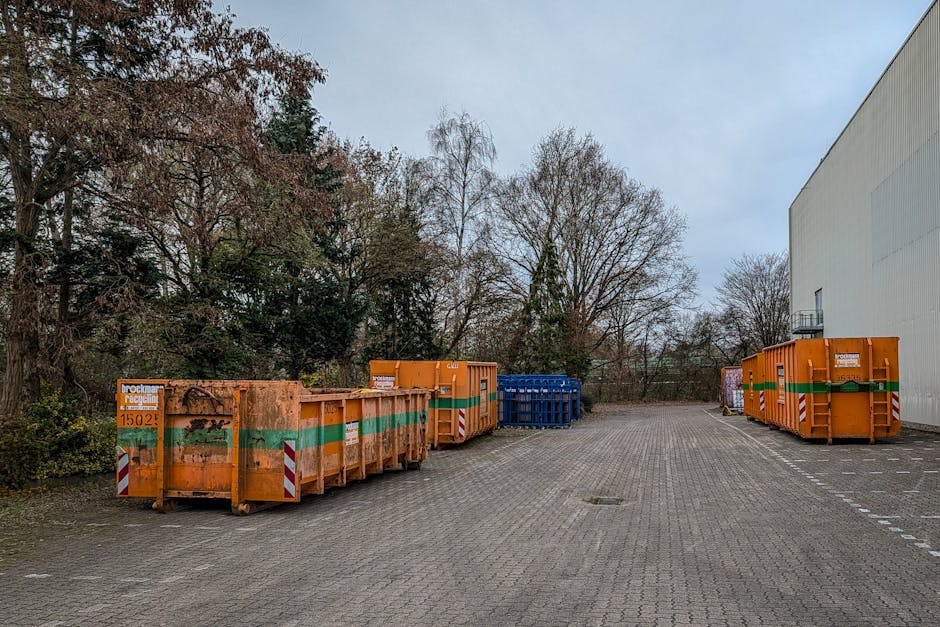
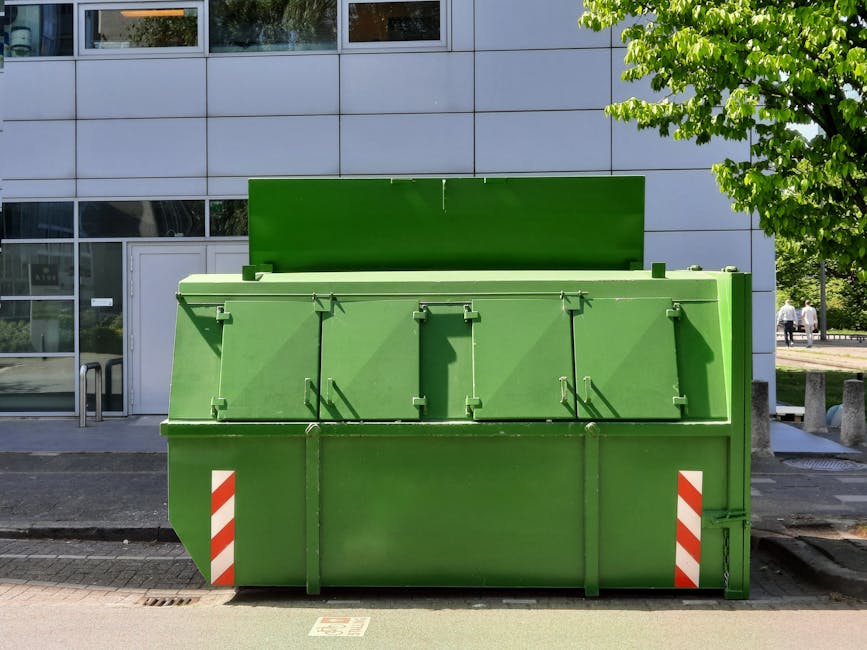
At a basic level, skip hire gives you a container and time. You book the skip, it is delivered to your property or site, and you load waste into it. Once it is full, the hire company collects it. That makes sense for projects where waste builds up gradually, such as renovations, garden work, or long decluttering jobs.
Man-and-van rubbish removal works differently. A team arrives with a vehicle, loads the waste for you, and takes it away in one visit. There is usually less waiting around and far less manual effort on your side. For many people, that is the biggest attraction. It feels more like having the job completed for you rather than simply renting space to do the job yourself.
The practical difference is important. With a skip, you are doing the lifting. With man-and-van, the crew is doing the lifting. With a skip, you may need to think about driveway space, kerbside placement, and access. With man-and-van, you need enough access for the vehicle to stop safely and enough time for the team to load the items.
That means your decision should start with the waste itself. Is it heavy, bulky, awkward, or mixed? Is it appearing all at once or over several days? Is there a staircase, a narrow hallway, or a first-floor flat to consider? Those answers matter far more than people sometimes realise.
Key Benefits and Practical Advantages
Skip hire advantages
- Good for gradual loading: Ideal when you are clearing in stages over a few days.
- Useful for ongoing projects: Handy for builders, gardeners, or major home refurbishments.
- Simple to understand: A container sits on site, and you fill it as needed.
- Can suit larger projects: If you have a heavy volume of waste, a skip can be practical.
Man-and-van advantages
- Much less physical effort: The team loads the waste, which is a big relief for many people.
- Fast turnaround: Often better when you need rubbish gone quickly.
- Helpful for restricted access: Works well where a skip would be awkward or impossible.
- Flexible for mixed waste: Useful when you have furniture, bagged waste, and odd items together.
There is also a quieter advantage to man-and-van services: they can reduce mess and delay. A skip sometimes becomes a magnet for extra waste from passers-by, and nobody enjoys that little surprise. A collection team removes items in one go, so the pile does not sit outside staring at you for a week. Small thing, but it can make a big difference to how the job feels.
If your waste is mostly furniture, broken household items, or a mix of old belongings, the pages for furniture clearance and furniture disposal may also be useful for understanding how a collection-based service fits into a wider clearance plan.
Who This Is For and When It Makes Sense
This comparison is especially relevant if you are trying to decide between doing the job yourself over time or handing the awkward bits to a team. In Woolwich, that often includes:
- homeowners clearing a spare room, garage, or loft
- tenants moving out of a flat and needing rubbish removed quickly
- landlords dealing with leftover items after a tenancy
- small businesses clearing office furniture or general clutter
- builders and tradespeople producing short-term renovation waste
- garden owners facing a pile of branches, soil, and green waste
Skip hire tends to make sense when you have space, time, and a fairly predictable waste stream. Think of a kitchen renovation where rubble, packaging, and broken fittings accumulate each day. A skip on site can be the sensible workhorse here. By contrast, man-and-van is a better fit when the waste is already piled up, you need it out today, or you do not want the physical strain of moving everything yourself.
Truth be told, a lot of people choose based on what feels easiest on the day rather than what seems cheapest on paper. And that is not always wrong. If saving your back, your time, and your patience matters more than having a container in the street, the decision can be straightforward.
Step-by-Step Guidance
- List what needs removing. Separate bulky items, bagged waste, recyclable materials, and anything hazardous or special.
- Estimate the volume. A small pile in a corner is very different from a room full of furniture and black bags.
- Check access. Ask yourself whether a skip can be placed safely, and whether a vehicle can get close enough for a collection team.
- Think about timing. Do you need the waste gone this afternoon, or are you clearing over the next week?
- Consider the labour involved. If stairs, narrow hallways, or heavy lifting are involved, man-and-van often has the edge.
- Review the location. If your property sits on a tighter Woolwich street, access and parking may push the decision in one direction.
- Match the service to the job. Choose the option that reduces complications, not the one that merely sounds familiar.
A helpful trick is to picture the worst five minutes of the job. Is it dragging a wardrobe down the stairs? Is it worrying about whether a skip will fit outside? Is it trying to load rubble into a container by yourself? Whichever part feels most annoying usually points you toward the better option.
Expert Tips for Better Results
1. Separate reusable items early. Before any collection, look for furniture, equipment, or materials that could be reused or donated. That keeps the load cleaner and may make the process more efficient.
2. Photograph the waste before booking. A few clear photos help you judge the amount of material more accurately. It also reduces the chance of underestimating the job. Handy little habit, that.
3. Be honest about access. If the vehicle cannot park close by, or if items must come down stairs, say so up front. It is better to be clear than to improvise on the day.
4. Keep wet waste and dry waste separate where possible. This can help with practical handling and may make sorting easier later on.
5. Ask how the service handles mixed loads. Many real-life clearances are messy mixtures of wood, metal, textiles, and general household waste. A good provider should be able to explain how that is managed.
6. For office or commercial jobs, plan around staff movement. If people are working nearby, you do not want a corridor blocked with desks and packaging for hours. In those cases, a planned clearance can be much smoother than a DIY skip situation.
We have seen jobs where a customer thought they needed a skip, but once access was checked, a collection was clearly the better fit. Happens all the time, actually. The smart move is not choosing the most familiar option. It is choosing the one that makes the day easier.
Common Mistakes to Avoid
- Choosing based on price alone: The cheapest headline figure can hide effort, access issues, or extra hassle.
- Ignoring parking and access: A skip that cannot be placed properly becomes a problem fast.
- Underestimating labour: Heavy lifting is tiring, and sometimes not worth the strain.
- Not sorting waste types: Mixing everything together can make the job clumsier than it needs to be.
- Leaving booking too late: Last-minute planning often causes avoidable stress, especially on busy days.
- Forgetting the practical finish: People plan the removal, but not the final sweep-up or tidy-up after the load has gone.
One common slip is treating all rubbish the same. It is not. Broken furniture, garden waste, renovation debris, office items, and general household clutter all behave differently in real life. They take up space differently. They are awkward in different ways. That is why a one-size-fits-all answer rarely works.
Tools, Resources and Recommendations
You do not need fancy tools to make a good decision, but a few simple things help a lot:
- A tape measure: Useful for checking whether larger items or a skip space will fit.
- Phone photos: Ideal for showing the waste pile clearly when requesting a quote.
- A rough room-by-room list: Helps you avoid forgetting the items hiding in corners, cupboards, or under the stairs.
- Basic sorting bags or boxes: Good for separating reusable, recyclable, and general waste.
- Access notes: Write down narrow gates, stairs, parking restrictions, or loading concerns.
If your project is broader than simple rubbish removal, it may be worth looking at related service pages such as home clearance, garage clearance, garden clearance, or builders waste clearance. Those pages can help you map the job to the type of waste involved.
For peace of mind around service standards, it is also worth reviewing pages about insurance and safety and health and safety. They are useful reading before any collection, especially if heavy lifting or awkward access is involved.
Law, Compliance, Standards, or Best Practice
Waste removal in the UK should always be handled carefully, especially if the waste is coming from a home, a business, or a building project. Without getting lost in legal jargon, the key point is simple: the person or business removing waste should deal with it responsibly, and you should be comfortable that it will be transported and handled properly.
For householders, the biggest practical concern is avoiding fly-tipping risk and making sure waste goes to a legitimate destination. For business owners, there is usually more emphasis on record-keeping, duty of care, and ensuring the waste stream is managed correctly. The exact responsibilities vary depending on the situation, so if your job is commercial or mixed-use, ask questions before booking.
Best practice usually means:
- being clear about what is being removed
- avoiding prohibited or hazardous items unless the provider explicitly accepts them
- checking how mixed waste will be sorted
- using a company that explains its process clearly
- keeping records if the waste relates to a business or workplace
There is also a sustainability angle here. Many customers now want a service that supports recycling where possible rather than simply sending everything away in one lump. If that matters to you, the page on recycling and sustainability is a sensible place to start.
Options, Methods, or Comparison Table
Here is the practical comparison most people actually need.
| Factor | Skip Hire | Man-and-Van Rubbish |
|---|---|---|
| Best for | Gradual clear-outs and ongoing projects | Quick removals and one-off bulky loads |
| Effort required from you | High, because you load it yourself | Low, because the team loads for you |
| Speed | Slower if you need time to fill it | Usually faster and more immediate |
| Access needs | Needs space for container placement | Needs vehicle access, but usually less space overall |
| Ideal property type | Homes with space, driveways, or suitable roadside placement | Flats, tight streets, busy homes, offices, and awkward access points |
| Physical lifting | Mostly your responsibility | Handled by the collection team |
| Flexibility | Good if waste arrives over time | Good if you want everything gone in one visit |
| Common downside | Can be cumbersome in restricted locations | May be less suitable if you want to load slowly yourself |
The simplest rule is this: if you want time and space to load at your own pace, skip hire can work well. If you want convenience, speed, and less lifting, man-and-van usually wins. Not always, but often enough that it is worth taking seriously.
Case Study or Real-World Example
Picture a typical Woolwich flat clearance. There is a wardrobe, a mattress, two broken chairs, several black bags, an old TV unit, and a few odd bits from a cupboard that nobody has thought about in years. The lift is small. The stairwell is narrow. Parking outside is tight, and the resident would rather not have a skip sitting out front for days.
In that situation, a man-and-van rubbish clearance service usually makes the more practical choice. The team arrives, loads the items, and leaves the space clear in a single visit. The resident does not have to move heavy furniture down steps or worry about a skip permit, street space, or overfilling a container. The whole thing feels less like a project and more like a reset.
Now picture a kitchen refurbishment at a home with a driveway. Waste appears in stages: old cabinets, packaging, broken tiles, and bags of rubble. The work spans several days. Here, skip hire can make more sense because the waste accumulates gradually, and nobody wants repeated collection visits for every small batch.
Different job, different answer. Simple as that, really.
Practical Checklist
- Have I listed every item that needs removing?
- Do I know whether the waste is bulky, heavy, mixed, or mostly bagged?
- Is there enough space for a skip, or is access likely to be tight?
- Do I want to load the waste myself, or would I rather have help?
- Is the job urgent, or can it happen over several days?
- Have I checked whether any items need special handling?
- Have I taken photos so I can explain the job clearly?
- Do I need the removal for a home, office, or building project?
- Would a more tailored clearance service suit the job better than a generic waste option?
- Am I happy with the provider's safety, insurance, and recycling approach?
If you can answer those questions honestly, the right choice usually emerges without much drama.
Conclusion
When you compare skip hire vs man-and-van rubbish in Woolwich, the real decision is not just about waste. It is about convenience, access, timing, and how much effort you want to put in yourself. Skip hire is often best for longer jobs with space to spare. Man-and-van rubbish clearance is usually better for speed, awkward access, and anyone who wants the heavy lifting done for them.
The best choice is the one that fits your property and your day-to-day reality, not the one that sounds neat in theory. If you are in a flat, working against the clock, or simply tired of staring at a growing pile of clutter, a collection-based service can be a relief. If you have a renovation or landscaping project with waste building up steadily, a skip can still be the right tool for the job.
Either way, a bit of planning goes a long way. Measure the space, think about access, and be honest about the load. That small bit of prep can save time, money, and a fair amount of hassle.
Get a free quote today and see how much you can save.
And if you are still weighing things up, that is fine too. The right choice has a way of becoming obvious once the practical details are out in the open.
Frequently Asked Questions
Is skip hire cheaper than man-and-van rubbish removal in Woolwich?
Not always. Skip hire can be cost-effective for longer projects or large volumes, but man-and-van may be better value when you want speed, loading help, and no need to lift everything yourself. The real cost depends on access, volume, and how quickly you need the job done.
Which option is better for a flat in Woolwich?
Man-and-van rubbish removal is often the better fit for flats, especially where stairs, lifts, or tight access are involved. A skip can be awkward if there is no suitable outdoor space or if placement is restricted.
Can I load a skip over several days?
Yes, that is one of the main advantages of skip hire. If your project produces waste gradually, the skip gives you time to sort and load as you go.
Do I need to lift heavy items myself with man-and-van clearance?
Usually not. The point of the service is that the team loads the waste for you, which is especially useful for bulky furniture or awkward items.
What types of waste are best for skip hire?
Skip hire often works well for renovation waste, garden debris, mixed household clutter, and other loads that build up over time. It is especially useful when you can place the skip safely and load it at your own pace.
What types of waste suit man-and-van rubbish removal best?
It is ideal for bulky furniture, bagged household waste, office clearances, mixed loads, and any job where you want the waste removed quickly with minimal effort from you.
Is one option better for tight streets in Woolwich?
Often yes. Man-and-van is usually more flexible where parking is limited or a skip would take up too much space. That said, access still needs to be checked carefully.
Can a skip be more practical for builders waste?
Yes, especially if waste is created over several days and the site has enough room. For some projects, skip hire remains the most straightforward choice. For others, a more targeted builders waste clearance service may be simpler.
How do I know which service I need?
Start with the waste type, the amount, the access, and whether you want to do the lifting yourself. If the job is bulky, urgent, or awkward to access, man-and-van often makes more sense. If it is a longer project with space to spare, skip hire can be a strong option.
Does it matter if the waste includes furniture?
Yes, because furniture can be bulky and awkward to move. If you have sofas, wardrobes, beds, or office desks, a collection-based service can save a lot of hassle. Related furniture clearance and furniture disposal services can be useful if that is most of the load.
Should I choose a clearance service if I want recycling to be a priority?
Yes, that is a sensible approach. If recycling and responsible sorting matter to you, ask how the provider handles materials and review their sustainability information before booking.
Can I use man-and-van for business waste as well as household rubbish?
Yes, many businesses use it for office clear-outs and general commercial waste removal. Just make sure you are clear about the type of waste, the access, and any duty-of-care considerations for your workplace.